
Steps to Keep Warm
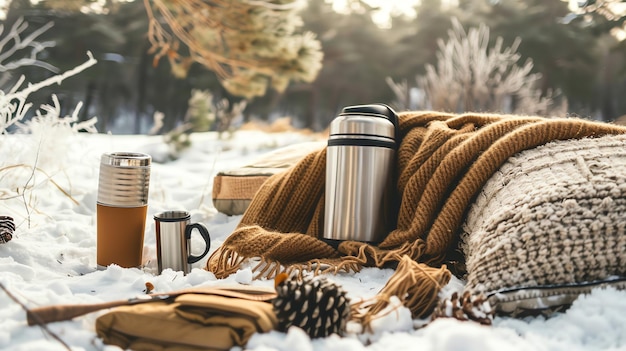
Steps to Keep Warm: During a Cold Storm
Steps to Keep Warm: During a Cold Storm
Cold storms can bring freezing temperatures. Steps to Keep Warm, power outages, and dangerous wind chills. Staying warm isn’t just about comfort—it’s about preventing hypothermia, frostbite, and other cold-related injuries. These steps will help you stay safe before, during, and after a cold storm.
🧥 1. Dress in Layers (The Right Way)
Layering traps heat and lets you adjust as conditions change.
Base layer: Moisture-wicking fabric (wool or synthetic)
Middle layer: Insulating material (fleece, down, or wool)
Outer layer: Windproof and waterproof shell
Avoid cotton—it holds moisture and makes you colder.
🧤 2. Protect Extremities First – Steps to Keep Warm
Heat escapes fastest from your head, hands, and feet.
Wear a warm hat or beanie (up to 30% of body heat can escape through your head)
Use insulated gloves or mittens
Wear thick socks and waterproof boots
Cover your face and neck with a scarf or balaclava
🏠 3. Seal and Insulate Your Space
If you’re indoors:
Close unused rooms
Block drafts with towels or draft stoppers
Close curtains at night to retain heat
Use rugs or blankets on cold floors
If heat is limited, stay in one room and keep it insulated.
🔥 4. Use Heat Sources Safely – Steps to Keep Warm
If you lose power or central heat:
Use fireplaces or wood stoves only if properly vented
Never use grills, ovens, or generators indoors
Keep space heaters at least 3 feet from flammable items
Install carbon monoxide detectors if using fuel-based heat
🥣 5. Eat Warm, High-Energy Foods
Food fuels your body’s internal heat.
Choose soups, stews, oatmeal, and hot drinks
Eat regular meals to maintain energy
Avoid alcohol—it causes heat loss, not warmth
💧 6. Stay Hydrated (Even in the Cold)
Cold weather reduces thirst, but dehydration increases heat loss.
Drink water regularly
Warm beverages help with comfort, not hydration alone
🛌 7. Sleep Warm and Smart – Steps to Keep Warm
Use extra blankets or sleeping bags rated for cold weather
Wear dry socks and thermal sleepwear
Cover your head while sleeping if safe to do so
Avoid sleeping directly on cold floors
🚗 8. If You’re Stranded in a Vehicle
Stay inside the car for shelter
Run the engine for 10 minutes per hour (if safe)
Keep the exhaust pipe clear of snow
Use blankets, seat covers, or extra clothing
Crack a window slightly to prevent carbon monoxide buildup
🚨 9. Watch for Signs of Cold-Related Illness
Hypothermia signs:
Shivering, confusion, slurred speech
Drowsiness or loss of coordination
Frostbite signs:
Numbness
Pale, gray, or waxy skin
Seek medical help immediately if symptoms appear.
📦 10. Prepare Before the Storm Hits – Steps to Keep Warm
Stock blankets, flashlights, batteries, and extra food
Charge phones and power banks
Have a cold-weather emergency kit ready
Know your local warming shelters if needed
❄️ Our Take
Cold storms can be unpredictable, but preparation and smart choices can make all the difference. Staying warm means layering properly, conserving heat, eating well, and using heating methods safely. Check on neighbors, especially the elderly, and never underestimate extreme cold.
