
Living Off Grid
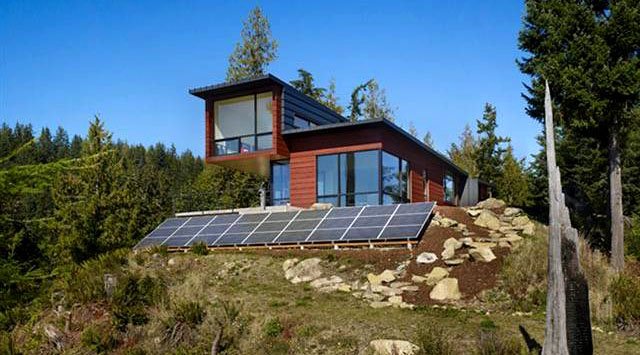
Living Off Grid: Save Big In Long Run
🌱 Living Off-Grid: Battery Storage, Land Preparation, and Cost Guide
For many people, Living Off Grid, the dream means independence, self-sufficiency, and freedom from rising utility costs. But before you make the leap, it’s important to understand the building blocks: how to prepare land, how battery storage works, and what the real-world costs look like.
🔋 Battery Storage: The Heart of Off-Grid Living
When you disconnect from the utility grid, reliable energy storage becomes essential. Most off-grid systems pair solar panels (or wind/hydro) with a battery bank, which stores electricity for nighttime or cloudy days.
Types of Batteries Used Off-Grid
Lithium-ion (LiFePO4): Long lifespan (10–15 years), high efficiency, lower maintenance.
Lead-Acid (AGM or Flooded): Lower upfront cost but shorter lifespan (3–7 years).
Sizing Your Battery Bank
An average off-grid household uses 20–30 kWh/day.
A modest setup might need a 10–15 kWh system, while a larger home may require 30–60 kWh.
Estimated Costs (2025)
Lithium-ion systems: $8,000 – $25,000 depending on capacity.
Lead-acid systems: $4,000 – $12,000, but with shorter replacement cycles.
⚡ Tip: Most off-grid homeowners now choose lithium-ion because, while expensive upfront, it’s more cost-effective long term.
🏡 Land Preparation: Building the Foundation
Choosing the right land and prepping it properly can save you thousands down the road.
Location Considerations
Sunlight: Southern exposure is best for solar efficiency.
Water Access: Well, spring, or rain catchment.
Soil & Terrain: Flat or gently sloped land simplifies building and solar setup.
Basic Land Prep Steps
Clearing & Grading: Removing trees, brush, or rocks for your cabin, solar panels, and access road.
Access Roads: Gravel or dirt roads may need to be built or improved.
Utilities: Installing a well, septic system, and possibly a propane tank.
Solar Pad/Structure: Stable ground for solar panels or a roof strong enough to hold them.
Estimated Costs
Clearing & Grading: $2,000 – $10,000 (depends on land condition).
Well Installation: $5,000 – $15,000.
Septic System: $3,000 – $8,000.
Access Road: $1,000 – $5,000+.
Living Off Grid 💰 What Does Going Off-Grid Really Cost?
The total cost of living off-grid varies widely based on location, land size, and lifestyle expectations.
Bare Minimum Setup (Tiny Cabin, Simple Solar + Batteries): $30,000 – $60,000
Moderate Setup (Small Home, 10–15 kWh Battery, Well & Septic): $80,000 – $150,000
Comfortable Modern Setup (Full Home, 20–40 kWh Battery, Land Improvements): $150,000 – $300,000+
🌞 Example: A couple in Northern Nevada could expect to spend around $120,000 – $180,000 for a modest home, 10–20 kWh lithium battery storage, solar panels, water/septic, and basic land prep.
🛠️ Our Take:
Living off-grid isn’t cheap at the start, but it offers independence, resilience, and long-term cost savings. The biggest expenses will likely be land preparation and energy storage, but these are investments that allow you to live sustainably and securely.
With the right planning, you can tailor an off-grid lifestyle to your budget — from minimalist cabins to modern homesteads powered by advanced battery systems.
