
Elon Musk Companies
Elon Musk Companies: Government Support = Profit
Elon Musk Companies: Government Support = Profit
Over the past two decades, the business empire of Elon Musk has grown into one of the most powerful networks in the world. Elon Musk Companies, less understood is how much of that growth has been supported by U.S. government contracts, subsidies, tax credits, and state incentives.
📊 Multiple analyses estimate Musk’s companies have received $30–$38+ billion in government support since 2003
This includes:
- Federal contracts
- Loans
- Tax credits
- Regulatory programs
- State-level incentives
Below is a complete breakdown by company.
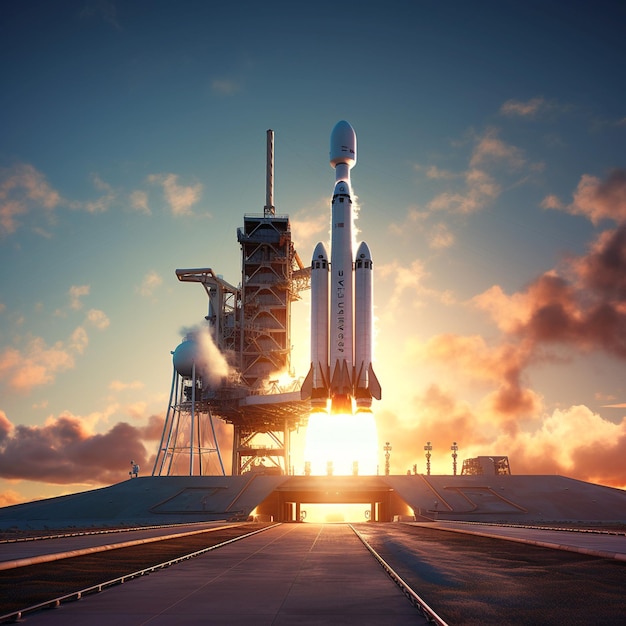
🚀 1. SpaceX (Space Exploration Technologies Corp.) – Elon Musk Companies
💰 Revenue
- ~$12–16 billion annually
🇺🇸 Federal Contracts
- NASA (primary customer)
- Department of Defense
- Intelligence agencies
📊 Estimated:
- $20+ billion in federal contracts
- At least $17 billion awarded since 2015 alone
🏛️ Government Role
- Launch services
- Satellite deployment
- National security payloads
Key Point:
NASA is effectively SpaceX’s largest customer
🌐 2. Starlink (SpaceX Division) – Elon Musk Companies,
Starlink
💰 Revenue
- ~$6–8+ billion annually (rapid growth)
🇺🇸 Government Contracts
- U.S. military communications
- Emergency communications programs
- Rural broadband initiatives
💵 Federal Support
- Subsidies tied to broadband expansion programs
- Defense and communications contracts
Key Point:
Government demand helps scale global satellite infrastructure.
🚗 3. Tesla
💰 Revenue
- ~$95–100+ billion annually
🇺🇸 Federal Support
1. DOE Loan
- $465 million loan (2010)
- Critical to survival during early years
2. EV Tax Credits (Consumer Incentives)
- Up to $7,500 per vehicle
- Drove demand for Tesla vehicles
3. Regulatory Credits
- Tesla earned ~$11+ billion selling emissions credits
These credits exist only because of government mandates
🏛️ State Incentives
Nevada (Gigafactory)
- ~$1.3 billion incentives
New York (Buffalo plant)
- ~$750 million investment
California
- ZEV credits (billions in value)
- EV rebates
Key Point:
Tesla’s profitability in early years was heavily influenced by government-created revenue streams
🧠 4. Neuralink – Elon Musk Companies
💰 Revenue
- Minimal (early-stage)
🇺🇸 Government Support
- No major federal contracts
Key Point:
Privately funded, not yet government-dependent
🤖 5. xAI
💰 Revenue
- Early-stage (hundreds of millions estimated)
🇺🇸 Government Support
- No major contracts yet
Key Point:
Potential future government AI partnerships
🕳️ 6. The Boring Company – Elon Musk Companies
💰 Revenue
- Estimated hundreds of millions
🇺🇸 Government Contracts
- Local city tunnel projects
- Municipal infrastructure agreements
🏛️ Public Funding
- Limited compared to Tesla/SpaceX
📱 7. X (formerly Twitter)
💰 Revenue
- ~$2–4 billion annually
🇺🇸 Government Support
- Minimal direct funding
📊 TOTAL GOVERNMENT SUPPORT SUMMARY
| Category | Estimated Amount |
|---|---|
| Federal contracts (SpaceX dominant) | $20B+ |
| Tesla loans, credits, incentives | $10B+ |
| State subsidies (factories, incentives) | $2B+ |
| Other programs & indirect benefits | Billions |
Total Estimated Support:
$30–$38+ billion since 2003
⚖️ Separate Overview: Government as the Primary Customer
To understand Musk’s wealth, you have to understand who the real customer is.
🏛️ 1. Government Creates the Market
- EV tax credits → increase Tesla sales
- Emissions rules → create Tesla credit revenue
- NASA contracts → fund SpaceX growth
Without these:
- EV adoption would be slower
- Space launches would be limited
- Early-stage risk would be far higher
💰 2. Government Pays Directly
SpaceX:
- Paid directly by NASA and Department of Defense
- Contracts worth billions
This is not indirect support—this is direct revenue
🔁 3. Government Forces Industry to Pay Tesla
- Automakers must buy emissions credits
- Tesla profits from regulation
This is a policy-driven revenue stream
🧱 4. States Finance Infrastructure
- Factories built with taxpayer-backed incentives
- Land, tax breaks, and infrastructure provided
🧠 5. Risk Is Socialized, Profit Is Private
- Government reduces early risk
- Private investors capture upside
📌 Final Perspective
Elon Musk is often seen as a symbol of private innovation.
But the numbers show a different reality:
Government programs, contracts, and incentives played a major role in building his companies
- SpaceX’s largest customer: U.S. government
- Tesla’s early demand: policy-driven incentives
- Profit streams: partly created by regulation
🔑 Bottom Line
The success of Musk’s companies is a combination of innovation and government support—but the scale of public funding means the U.S. government has been one of the most important drivers behind that success.
