
COVID And WHO
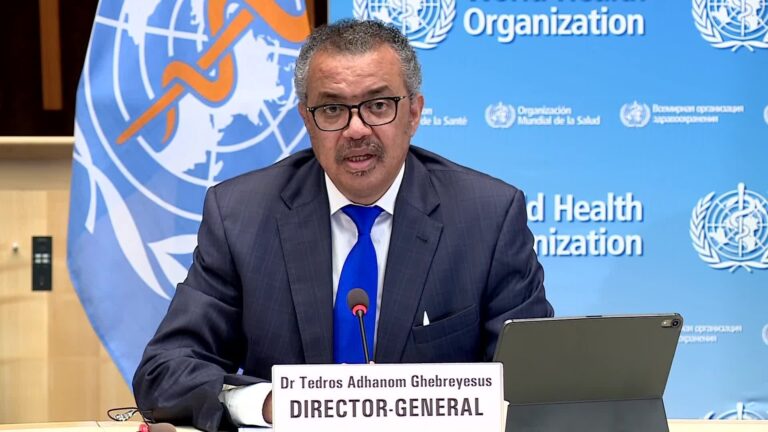
COVID And WHO: What Role Did They Play?
🩺 COVID And WHO: What Role Did They Play?
The World Health Organization (WHO) was at the center of the global response to COVID-19, tasked with coordinating health measures, sharing data, and supporting countries through an unprecedented public health crisis. COVID And WHO’s role evolved rapidly from early detection to long-term management — but it also faced sharp criticism along the way.
🕊️ Early Detection and Warning
In December 2019, WHO’s China office was alerted to “pneumonia of unknown cause” in Wuhan. The organization formally notified the world on January 5, 2020, and by January 30, declared COVID-19 a Public Health Emergency of International Concern (PHEIC) — its highest level of alert at that time.
WHO worked with Chinese authorities and international experts to identify the virus, which was soon named SARS-CoV-2. However, many nations later argued that early communication from both China and WHO was too cautious, contributing to delays in containment.
🌍 Global Coordination and Response – COVID And WHO
As infections spread, WHO coordinated testing protocols, public health guidelines, and data reporting across member nations. It launched the Solidarity Trial to study COVID-19 treatments, distributed medical supplies, and developed guidance for mask use, distancing, and vaccinations.
The organization also led the COVAX initiative, aimed at ensuring fair global access to vaccines, particularly for low- and middle-income countries.
⚖️ Criticism and Controversy – COVID And WHO
WHO faced criticism from multiple directions:
Timing of Action: Some argued it waited too long to declare a pandemic (March 11, 2020).
Relations with China: Allegations arose that WHO was overly deferential to Chinese authorities in the early weeks.
Conflicting Advice: Initial guidance on travel restrictions, mask use, and virus transmission changed as new evidence emerged, which led to confusion and mistrust.
Despite these controversies, WHO defended its stance by emphasizing that its recommendations followed available science at the time, and that rapidly evolving information made consistency difficult.
💉 The Vaccine and Post-Pandemic Work – COVID And WHO
In 2021 and beyond, WHO coordinated vaccine distribution through COVAX and worked to track new variants such as Delta and Omicron. It has since pushed for strengthened global health treaties to improve transparency and pandemic preparedness.
🧭 Legacy and Lessons – COVID And WHO
The WHO’s handling of COVID-19 revealed both the importance and limits of international cooperation. While it provided essential data and leadership for many nations, it also exposed gaps in global health governance — particularly in funding, independence, and rapid information sharing.
The organization continues to reform its emergency response systems, advocating for a Pandemic Accord that would ensure faster, more unified global action in the future.
🌐 Our Take:
The WHO was neither the hero nor the villain of the pandemic. It was an institution caught between science, politics, and diplomacy — doing its best within the constraints of international consensus. COVID-19 proved that global health requires not only expertise, but also trust, transparency, and timely action.
