
Battery Storage
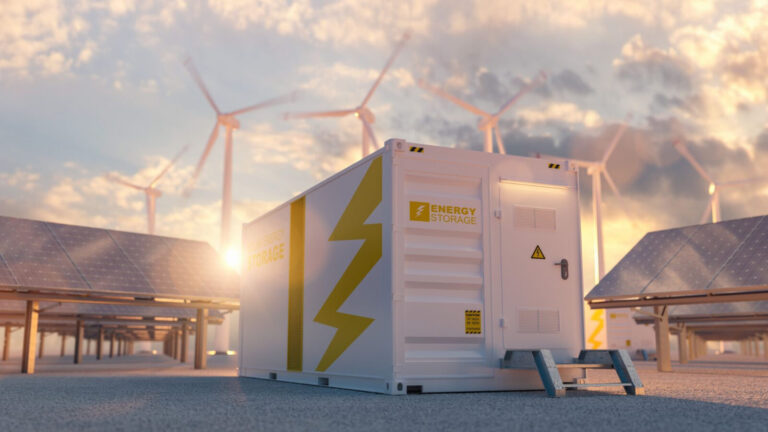
Battery Storage: Saving Energy When Needed
Battery Storage for the Grid: Powering a Reliable Future
(Because every watt we make should be saved for when we need it most)
Battery Storage: As renewable energy continues to grow, one challenge remains at the center of the conversation: how to store the power we produce. Solar panels generate electricity when the sun shines, and wind turbines spin when the wind blows—but the grid needs power around the clock. This is where battery storage plays a critical role.
Why Battery Storage Matters
Battery storage systems act as giant reservoirs of energy, capturing excess electricity when production is high and releasing it when demand rises. Without them, much of the clean energy we produce could go to waste, and our reliance on fossil fuels would remain unchanged.
Saving Energy—No Matter How It’s Made
Whether energy comes from the sun, wind, water, nuclear power, or even natural gas, one truth remains the same: if it isn’t stored, it risks being lost. Energy storage ensures that every watt of electricity can be put to use—whether it’s keeping the lights on during peak evening hours, powering electric vehicles overnight, or stabilizing the grid during storms and emergencies.
This universality is what makes storage so powerful. It doesn’t compete with energy sources; it complements them. By bridging the gap between generation and demand, storage ensures that energy—no matter how it’s produced—can be saved and delivered when it’s needed most.
Cost Savings and Grid Stability
Battery storage isn’t just about reliability—it’s also about economics. By storing electricity when prices are low and discharging it when demand spikes, storage helps reduce energy costs for utilities and consumers alike. It also prevents blackouts by balancing supply and demand instantly, giving grid operators a powerful tool to manage fluctuations. For governments, this translates to fewer subsidies for emergency generation and a stronger, more resilient national grid.
Types of Grid-Scale Storage
Lithium-Ion Batteries – The most widely used today, offering efficiency and scalability.
Flow Batteries – Long-duration storage ideal for renewable-heavy grids.
Pumped Hydro – Moving water uphill during low demand and releasing it later for power.
Emerging Tech – From compressed air to gravity-based storage, innovation is rapidly expanding.
Our Take:
As global energy use grows, battery storage will be the key to a cleaner, more resilient, and more reliable power system. The future isn’t just about producing energy—it’s about saving it.
